WoW: Forever Raid Updates, Layering and Class Changes
WoW: Forever Plans Four-Month Raid Updates, Layering Improvements and Major Class Changes
World of Warcraft: Forever is approaching launch with a roadmap that aims to keep Azeroth evolving without losing the progression and community that made Classic appealing. The developers are targeting major content updates approximately every four months, while making improvements to the layering system and continuing to refine class abilities, talents, and racial bonuses. Together, these changes will influence how players level, prepare for raids, choose their characters, and approach endgame progression.
With launch scheduled for November 4, 2026, these decisions are more than minor adjustments. The update schedule establishes expectations for long-term progression, while the technical improvements could make grouping, world PvP, and everyday exploration feel more consistent. At the same time, the continuing class balance process means players should be prepared to revisit their builds as the game moves from beta into its live environment.
WoW: Forever Targets a Major Update Every Four Months
One of the most important details in the latest developer discussions is the intended content release cadence. Rather than leaving players waiting six to eight months between major additions or introducing new content every few weeks, the team is aiming for a schedule of approximately four months, or around 17 weeks, between major updates. That would allow for roughly three major content releases per year, although this remains a target rather than a guaranteed calendar.
The schedule is intended to accommodate more than raid releases alone. New raid tiers and PvP seasons are expected to follow a similar rhythm, with additional dungeons, quests, world activities, and other content potentially becoming available between major updates. This staggered approach gives players new objectives throughout the cycle instead of requiring every activity to arrive on the same day.
The goal is to find a sustainable middle ground. Classic players know how quickly an endgame can become repetitive when the same encounters remain the only meaningful activities for months. On the other hand, an overly aggressive release schedule can leave guilds struggling to finish progression before the next tier arrives. A four-month interval gives raiders time to learn encounters, improve their equipment, organize their rosters, and experience the content without feeling constantly behind.
For players who enjoy progression but have limited time to play, this could be an especially welcome change. A predictable cadence makes it easier to plan around raid nights, PvP seasons, character development, and other commitments. It also gives guilds a clearer idea of when they should recruit, prepare alternate characters, and begin working toward the next milestone.
Claim your first-visit discount now
What the Raid Schedule Means for Endgame Players
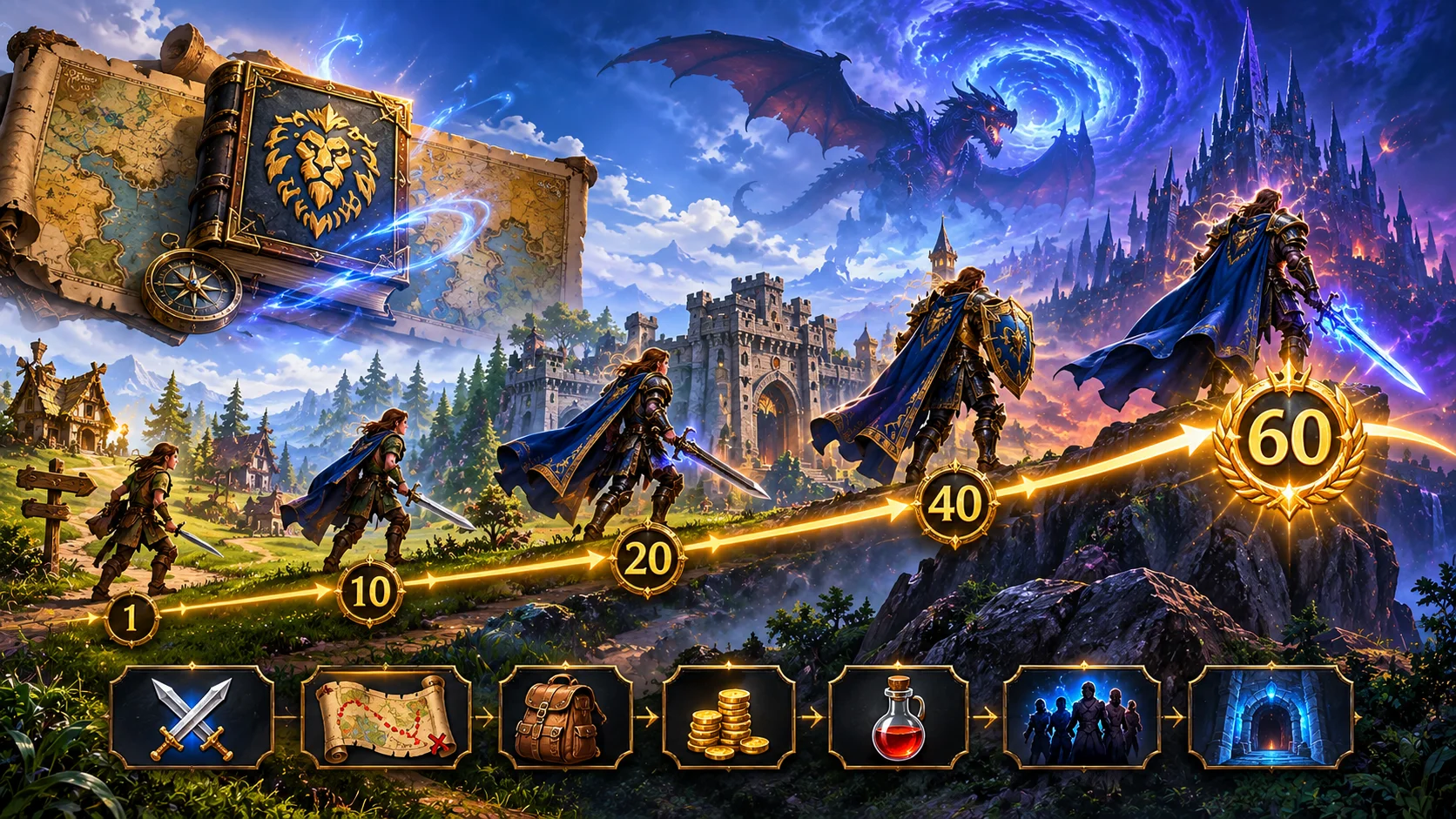
WoW: Forever is expanding the original level 1 to 60 experience rather than relying exclusively on a higher level cap. That makes the quality and variety of its endgame content particularly important. Players will need reasons to continue improving their characters even after reaching level 60, and new encounters should provide additional opportunities to test class builds, equipment choices, and group coordination.
The initial raid unlock is scheduled for December 9, 2026, with Barrow Deeps, Hyjal Summit, and Onyxia's Lair forming the first announced lineup. These encounters support different group sizes and preparation requirements, giving players several ways to approach the early endgame.
Barrow Deeps is designed for 10 players, Hyjal Summit accommodates 20, and Onyxia's Lair requires a 40-player group. That variety means guilds will need to think carefully about roster composition, attendance, class coverage, and character readiness instead of assuming one raid setup will suit every encounter.
The longer-term release rhythm should help maintain interest after those first raids open. Future content can expand the available challenges while preserving the level 60 progression framework. However, the value of this approach will depend on encounter quality, the usefulness of rewards, and whether new activities offer meaningful reasons to return.
Players preparing for the first release can consult our WoW Forever raids guide for details on the initial encounters, group sizes, and Onyxia's attunement requirements.
Layering Improvements Aim to Make Azeroth Feel More Connected
Layering has been one of the more controversial technical aspects of the beta. The system allows multiple copies of the world to operate simultaneously, helping accommodate large populations without overwhelming individual areas. However, frequent layer changes can undermine the social experience when friends, guildmates, enemies, or other players unexpectedly disappear during ordinary gameplay.
These interruptions matter because a persistent world is central to the Classic experience. Meeting other players while questing, recognizing familiar names, competing for rare creatures, and encountering rival factions in the open world are all parts of what makes Azeroth feel alive. A system designed to handle population surges must still preserve as much of that experience as possible.
Developer comments reported ahead of launch describe improvements intended to address some of these problems. Players should no longer be separated from people they were traveling with on boats or zeppelins simply because they pass through a loading screen. Large organized groups should also avoid being moved to another layer merely because they enter or leave a capital city.
These adjustments could make group travel and large-scale activities more predictable. They are particularly relevant for guilds organizing events and players who want to remain together while moving between zones.
Layering itself is not being eliminated. The technology will continue to help manage population density, and further refinements may be needed as the live population changes. The key question will be whether the improvements reduce disruptive transitions without creating new problems for world PvP, rare-spawn hunting, or players trying to find their friends.

Top-Tier WoW:Forever Services
Pre Raid Gear
Pre Raid Gear in WoW:Forever is essential for gaining access to high-stakes raids, requiring players to meet strict gear standards. This service includes acquiring dungeon drops, crafted items, and reputation rewards, ensuring your character is fully equipped and raid-ready.
PvP Rank
PvP Rank boosting in WoW:Forever transforms your competitive edge with access to exclusive rewards like the Black War Mounts at Rank 11 and Epic-Quality PvP Weapons at Rank 14. Climb from Private to Grand Marshal, unlocking prestigious titles and gear that showcase your PvP prowess.
Honor Boost
Secure the exact Honor Points you need in WoW:Forever without the grind. Our service ensures swift rank progression and valuable PvP rewards.
Hunter and Mage Changes Could Affect Class Builds
Class tuning remains another important part of WoW: Forever's development. The intention is to preserve recognizable class identities while improving underperforming talents, creating more useful specialization choices, and adjusting abilities that deliver too much power.
Hunters have received adjustments affecting both pet-based play and raid utility. The Furious Howl attack power bonus has been reduced by 40%, while Trueshot Aura has become a raid-wide effect. These changes affect how players evaluate pet selection, talent investments, and the contribution a Hunter brings to a coordinated group.
Mages have also received several meaningful adjustments. Frost has seen changes to Ice Lance's bonus damage against frozen targets, with the bonus reduced from 300% to 200%. The specialization has also received Frost Blast, a cast-time spell that deals Frost damage and slows its target, while benefiting from talents that improve Frostbolt. Winter's Chill has been redesigned as part of the broader effort to adjust how Frost damage and spell interactions work.
Fire Mages have not been left untouched. Fire Power has been redesigned to scale damage according to the Mage's active Fire effects on a target, up to a maximum 12% increase. Changes to Critical Mass and other talents also affect how players evaluate critical strike investment and the overall structure of their builds.
The larger point is that players should not assume every build discussed during the beta will remain optimal after launch. Even a relatively small adjustment to an important talent or ability can change the value of a rotation, a supporting class, or a particular specialization in raid encounters.
Racial Balance Is Being Refined Before Launch
Class changes are only part of the balancing process. The developers have also revisited racial abilities and passive bonuses after receiving feedback that some traits felt too generic or gave certain races an excessive advantage in particular roles.
The late-beta adjustments illustrate the approach. Tauren Endurance has been narrowed to a 5% health increase, removing its additional hit chance and critical damage modifiers. Orcs have regained Command, which increases Hunter and Warlock pet damage by 5%, while Blood Fury's cooldown has returned to two minutes. Troll Berserking now lasts 15 seconds, and the internal cooldown on the Undead Touch of the Grave effect has been reduced to 15 seconds.
These changes aim to make racial choices more distinct without allowing a single option to dominate every situation. They also demonstrate why players should consider their preferred role and playstyle rather than selecting a race solely because of an early beta ranking.
Racial balance is especially important in a game that encourages both PvE and PvP progression. A bonus that looks attractive during leveling may provide a different advantage in a prolonged raid encounter or an open-world fight. As the game develops, players will need to evaluate these choices in context instead of relying on outdated rankings.
Dual Specialization Will Offer More Flexibility
World of Warcraft: Forever is also expected to launch with dual specialization, allowing characters to maintain two talent configurations. This will make it easier for players to participate in different activities without having to rebuild their character around a single role.
For example, a hybrid class can maintain one configuration for damage and another for healing or tanking. Players who regularly move between dungeon groups, raids, and PvP will have more options for adapting to the content they want to play.
However, dual specialization does not mean every talent choice becomes irrelevant. The developers have indicated that talents should still represent meaningful decisions, rather than something players freely switch before every encounter. A possible third specialization has been discussed, but it has not been confirmed as a launch feature.
For now, players should plan around the two available configurations and consider which roles they realistically expect to perform. Building complementary talent setups can be more useful than trying to maintain two nearly identical builds.
How to Prepare for WoW: Forever's First Major Raids
With the November 4 launch approaching and the first raid unlock scheduled for December 9, players have a defined window in which to establish their characters and prepare for endgame progression. The smartest approach is to focus on confirmed requirements and remain flexible where class balance or encounter details may still change.
First, prioritize a reliable path to level 60. Completing quests efficiently, choosing appropriate gear upgrades, and learning how your class performs will provide a stronger foundation than rushing through levels without considering your eventual role. Our WoW Forever leveling guide covers the journey from the starting zones to the level cap.
Next, organize your equipment and essential character progression. Level 60 alone does not guarantee raid readiness. Players should identify weak equipment slots, complete useful dungeon content, prepare consumables, and coordinate with their guild about expected roles and attendance. Anyone planning to enter Onyxia's Lair should also start the Drakefire Amulet attunement process early.
Finally, keep an eye on updated class information. Hunter, Mage, and racial changes show that the beta's tuning process has meaningful consequences for character planning. Verify your chosen talents and abilities against the current live version rather than assuming an older guide still reflects the game's mechanics.
Players with limited time can also explore the WoW Forever services available at misti.services, including leveling and pre-raid gear options, to make progress toward their preferred endgame activities.
What These Changes Mean for the Future of WoW: Forever
The four-month update target, improved layering behavior, and continuing class adjustments all point toward the same objective: creating a Classic-inspired world that can support sustained progression rather than a short period of excitement followed by long stretches of repetition.
A predictable release cadence could give guilds more control over progression and help keep PvP seasons aligned with broader game updates. Better layering behavior could make the social world feel more consistent, while thoughtful class tuning could give more specializations useful roles without erasing their individual identities.
None of these improvements guarantees that every balance issue or technical problem will disappear at launch. The quality of the long-term experience will depend on how the systems perform with a live population, how quickly problematic changes are addressed, and whether future updates deliver enough meaningful content.
For players preparing to return to Azeroth, the practical takeaway is simple: establish a solid character foundation, remain flexible with talent choices, and prepare for the first raids without treating early beta builds as permanent. WoW: Forever's long-term success will depend on whether it can turn these plans into a stable, rewarding progression experience that remains worth playing well beyond launch.